
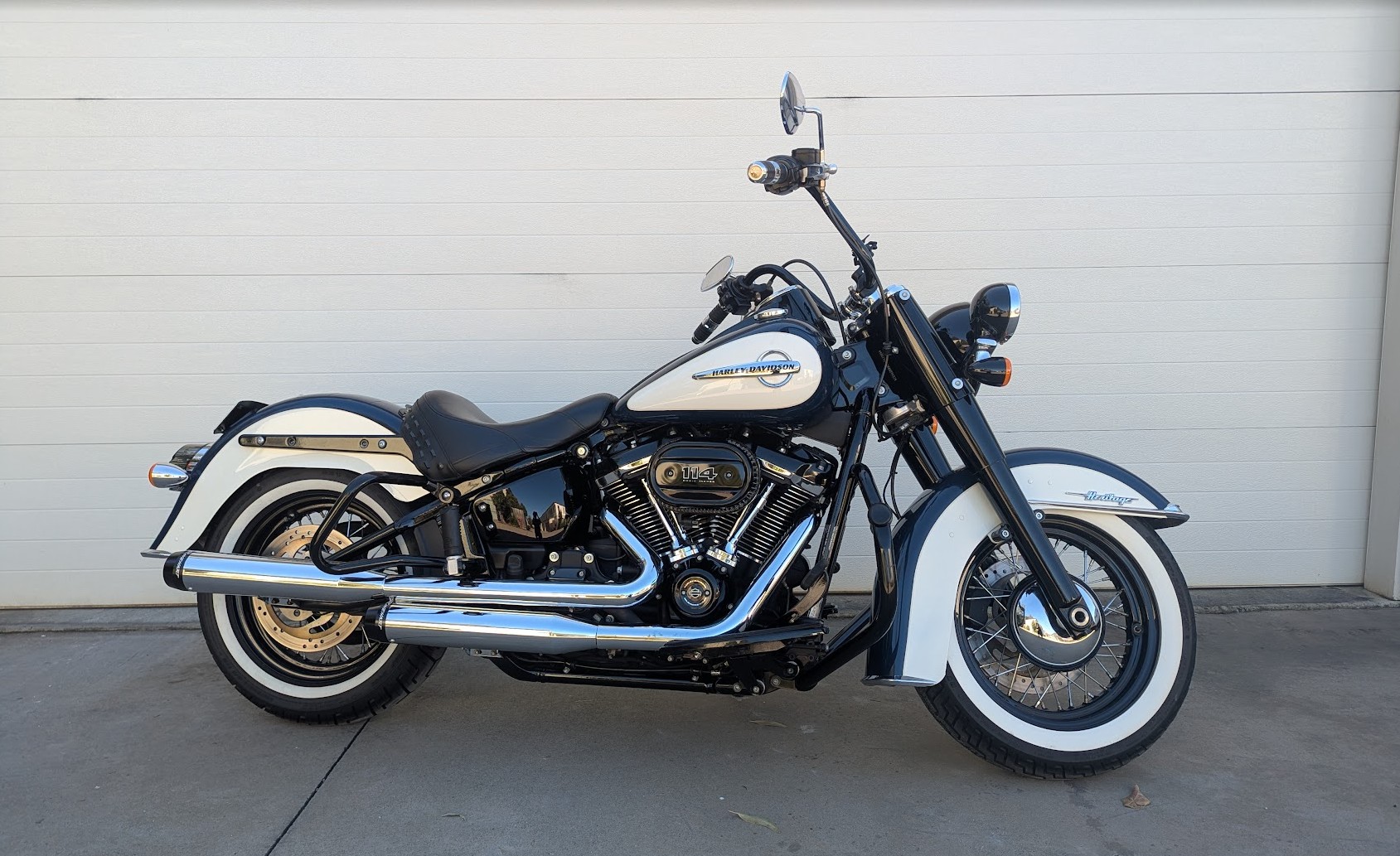
For today’s project, I finally swapped out the factory exhaust on my 2019 Harley-Davidson Heritage and installed a set of Rinehart 3.5″ slip‑on mufflers. If you’ve been thinking about upgrading your Heritage exhaust or you’re a returning rider curious about how these pipes sound and perform, this one’s for you.
Why I Chose Rinehart Slip‑Ons
There are plenty of slip‑on options for the Milwaukee‑Eight Softail lineup, but the Rineharts stood out for a few reasons:
- They look close to the factory style. In my opinion, they keep the classic Heritage lines without going too radical.
- They’re slightly shorter, which I actually think suits the bike nicely.
- I found a great deal. These came up on Facebook Marketplace — the main box was opened, but the mufflers themselves were still sealed and looked brand new. I picked them up for about half the retail price.
- I expected them to be moderately loud, but after hearing them… they’re definitely louder than I anticipated. Not obnoxious, but noticeably more present than stock.
If you’re chasing that unmistakable Harley rumble, these pipes absolutely deliver it.
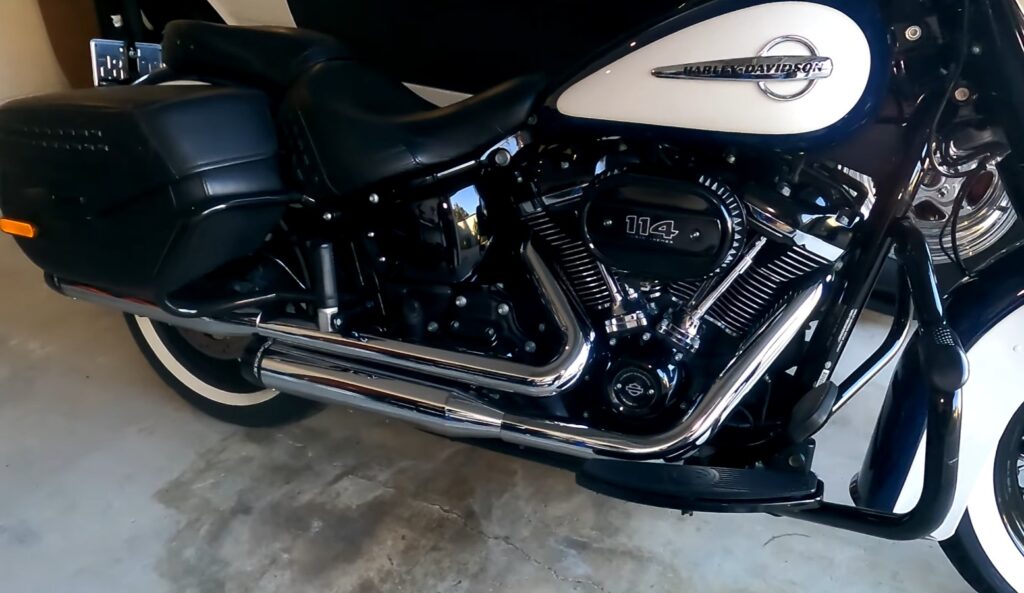
Stock Exhaust Sound Test
Before touching anything, I recorded the stock exhaust from the same distance I’d later use for the Rinehart’s. As most Heritage owners know, the factory pipes have that “sewing machine” reputation — clean, quiet, and polite.
Good for neighbours. Not so good for the soul.
Removing the Factory Mufflers
I didn’t film a full step‑by‑step removal because there are already plenty of detailed guides out there, but here’s the quick version:
- Remove the saddlebag to give yourself room.
- Undo the mounting bolts.
- Loosen the clamp.
- Slide the muffler off.
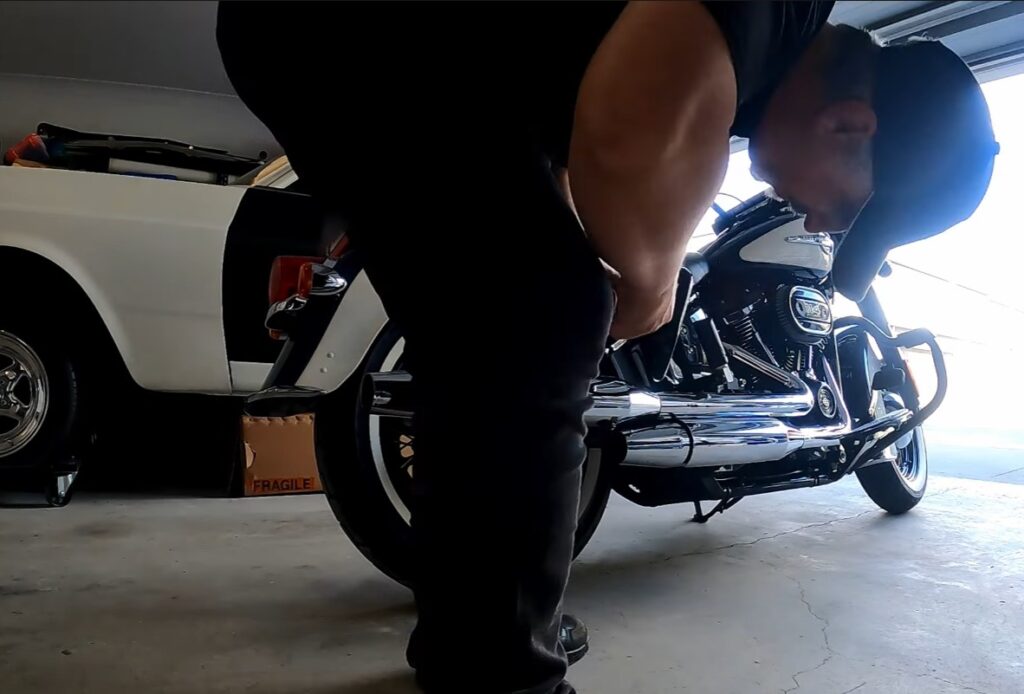
Honestly, they came off easier than I expected. While everything was apart, I gave the exposed areas a quick clean before installing the new pipes.
Don’t Forget the Exhaust Gaskets
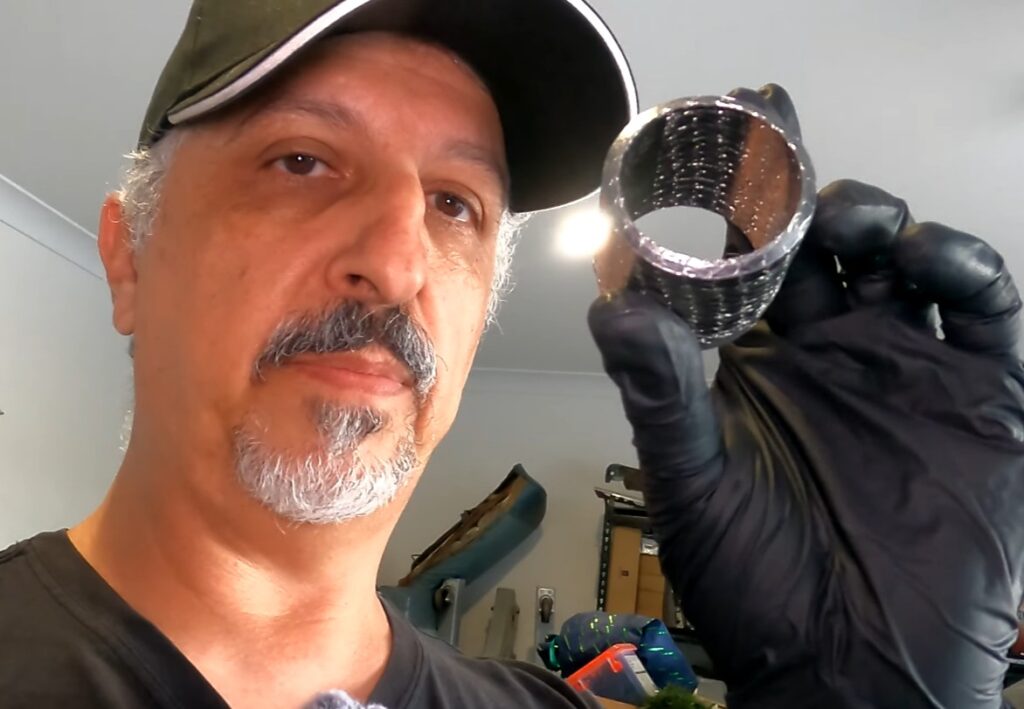
The factory mufflers use a gasket that doesn’t come with the Rinehart kit, so I bought new Harley exhaust gaskets separately. They slide in easily and only fit one way thanks to the notched design. Fresh gaskets are worth it — no point reusing old, compressed ones.
Installing the Rinehart 3.5″ Slip‑Ons
With the gaskets in place, the Rineharts went on smoothly. I didn’t reinstall the factory heat shields — I kept the clean Rinehart look instead.
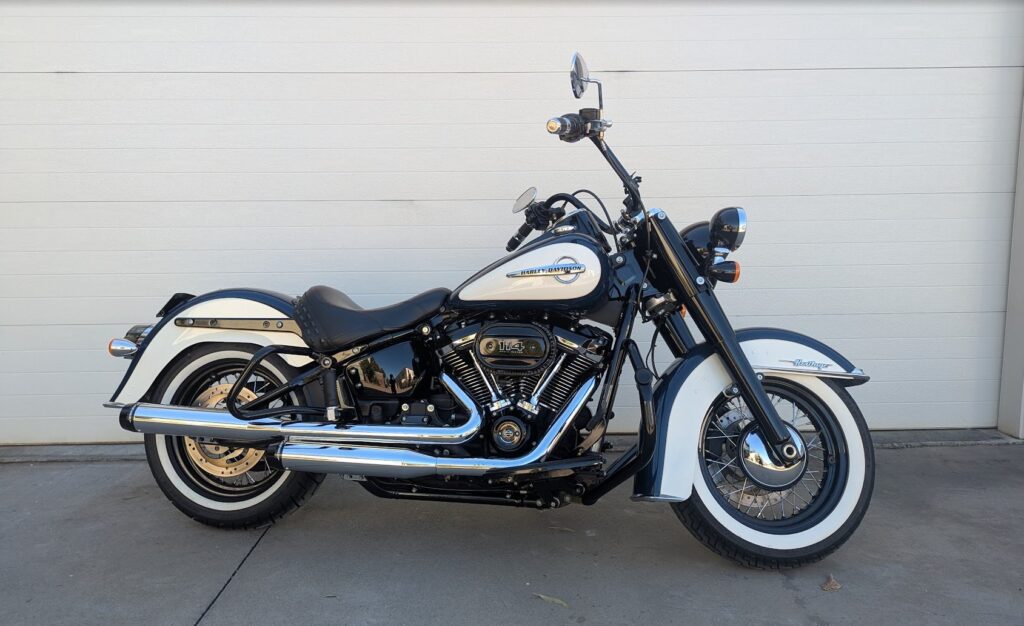
The only adjustment I might revisit is the rear bracket. There’s a small gap I could tighten up, but overall the fit and finish look great.
Rinehart Slip‑On Sound Test
Once everything was bolted up, it was time for the moment of truth.
The difference is immediate.
- Idle: Deep, throaty, and unmistakably Harley.
- Low‑speed riding: There’s a noticeable drone in first gear, which some riders might find annoying.
- On the road: Louder than stock but not overwhelming. With earplugs (I use ones that cut about 20 dB), the sound is comfortable.
- Performance: The bike feels the same to ride — no major change in throttle response or behaviour.
I’ve taken it up to about 80 km/h so far, but I’ll need a motorway run to get a full sense of long‑distance comfort. For weekend riding, though, I’m more than happy.
Final Thoughts: Are Rinehart’s Worth It?
If you’re a returning rider in your 50s (like me) or someone getting into Harley-Davidsons later in life, slip‑ons are one of the easiest ways to transform your bike’s personality. The Rinehart’s give the Heritage the voice it deserves without going overboard.
They’re louder than stock, they look great, and they bring back that classic Harley character many of us grew up with.
If you’re following along with my journey returning to motorcycling after a few decades away — especially on my first Harley — make sure to like, subscribe, and stick around. There’s plenty more to come with the 2019 Heritage.
Thanks for reading, and I’ll see you in the next one. Cheers.