
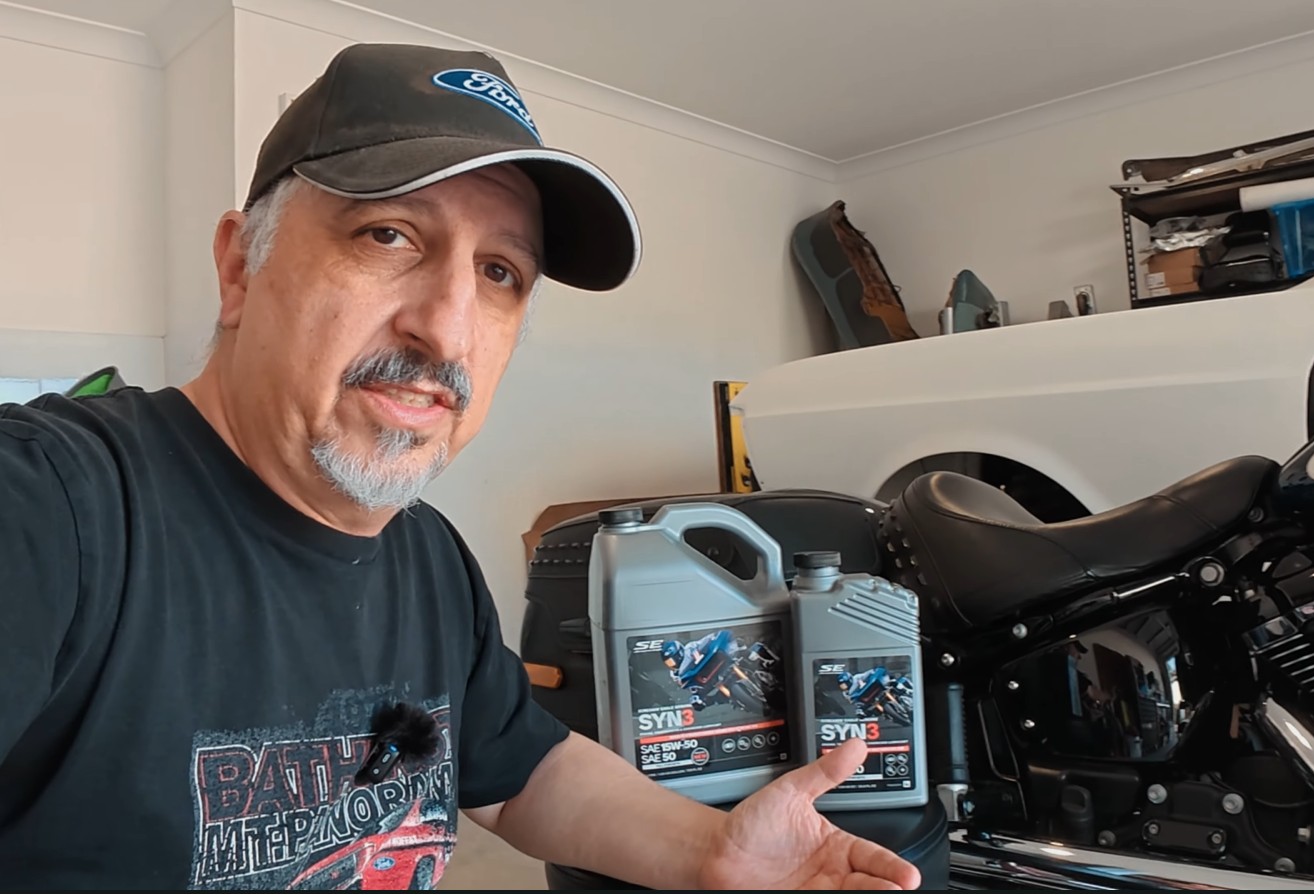
DIY vs Dealer — A Real-World Three‑Hole Oil Change Experience
Servicing your own motorcycle is one of those topics that always sparks debate. Some riders swear by the DIY approach, others won’t touch a wrench and prefer the peace of mind of a dealer stamp. Recently on the Throttle Reborn YouTube channel, I decided to put myself to the test and service my own 2019 Harley-Davidson Heritage Classic for the very first time.
I’ve done plenty of DIY over the years, but never on a Harley. So this wasn’t just a routine service — it was a learning experience, a bit of an experiment, and honestly, a test of whether doing it myself was a good idea… or a mistake.
Here’s how it went.
Getting Started: The Plan and the Setup
For this service, I followed the Harley-Davidson manual step-by-step on my iPad. The goal was simple:
- Perform a three-hole oil change
- Inspect the drain plugs
- Replace O-rings
- Refill with fresh fluids
- And see whether a DIY service is worth the effort
It’s worth noting that there’s a whole lot more to a service than just changing the oil but we’ll be covering the three hold oil change.
Before diving in, I removed the filler dipstick and the right-hand side cover to access the transmission fill port. A T‑25 Torx bit did the job, and once the cover was off, everything was easy to reach.
Finding the Drain Plugs
If you’re new to Harley servicing, locating the drain plugs is half the battle. On the Milwaukee‑Eight Softail:
- Engine oil drain: rear of the frame
- Transmission drain: right-hand side, slightly forward of the passenger peg
- Primary drain: just behind the kickstand
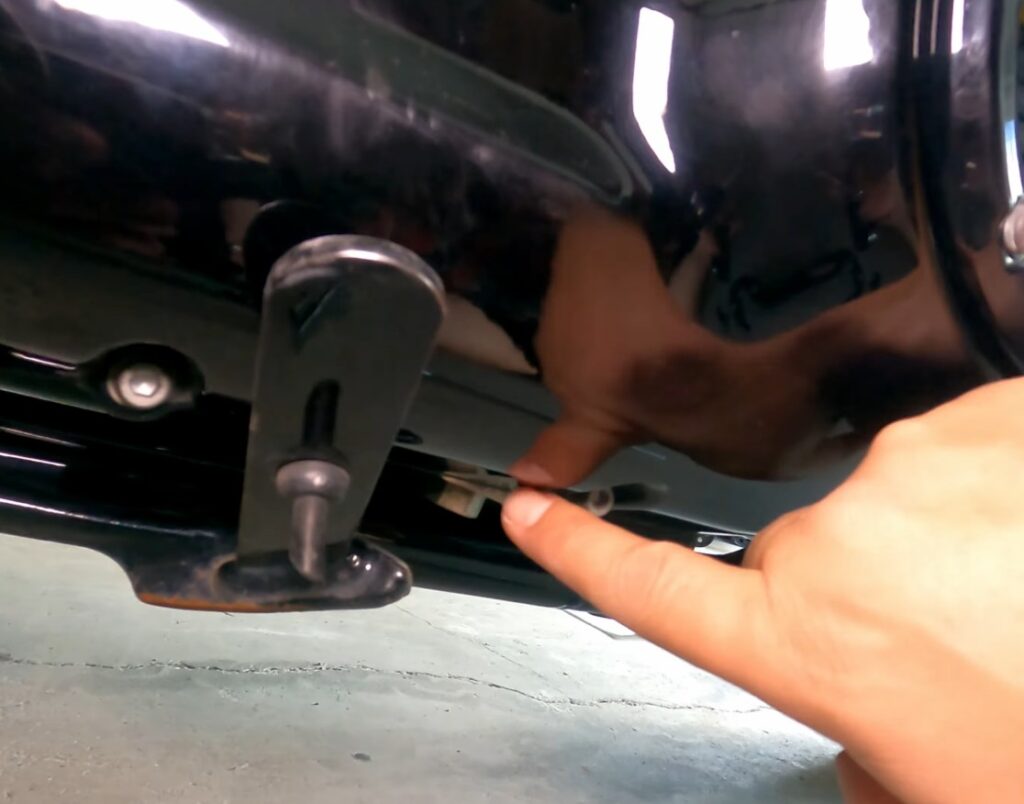
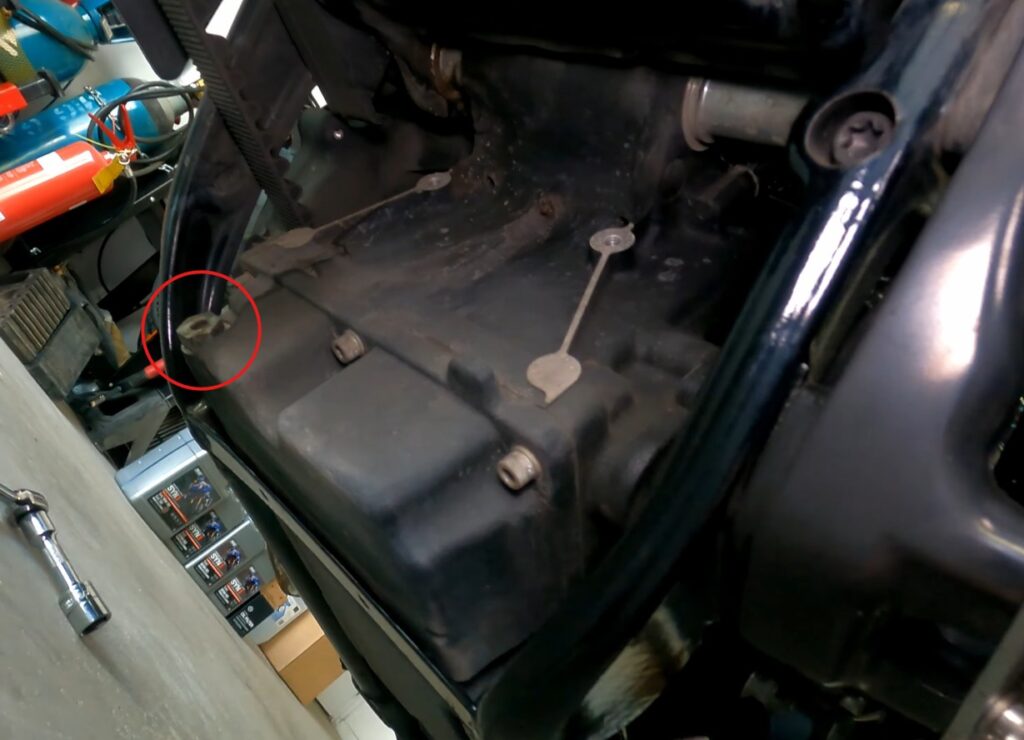
Once everything was positioned, I cracked the plugs and let the bike drain.
Inspecting the Drain Plugs: What Did I Find?
Each plug has a small magnet designed to catch metal particles. This is where you get a real sense of what’s happening inside your engine and gearbox.
Here’s what I found:
Primary Drive
A light smear of fine metallic paste — normal for a primary. No chunks, no flakes.
Engine
Very fine particles, but overall the oil looked clean. Nothing concerning.
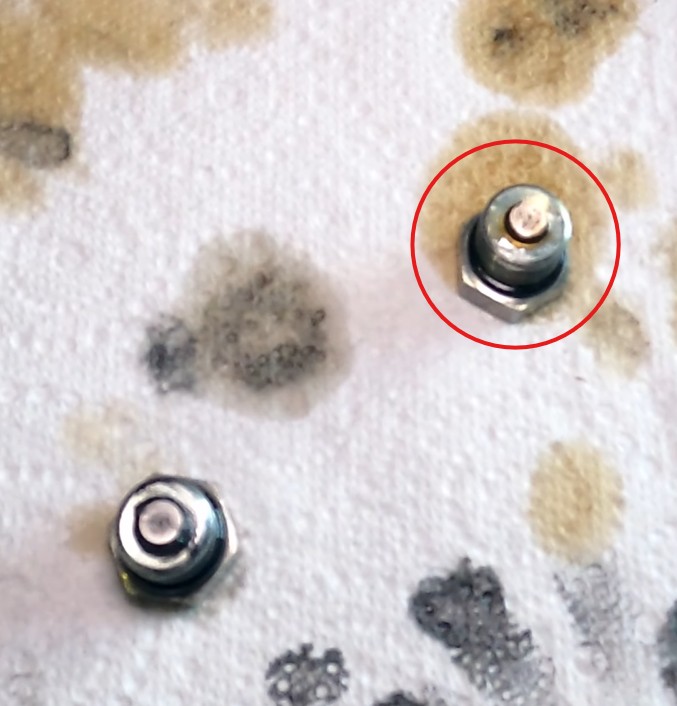
Transmission
Similar to the primary: dark, fine sludge but no major debris.
For a bike that’s ridden regularly, this is exactly what you want to see.
Lunch Break… Then Back to Work
With the bike draining, I ducked out for seafood with the kids. When I got back, it was time to clean the plugs, replace the O‑rings, and torque everything back to spec.
All three drain plugs torque to 19–28 Nm (14–21 ft‑lb). I set my Warren & Brown torque wrench to 24 Nm and tightened everything down.
Primary Cover Removal (and the First Big Spill)
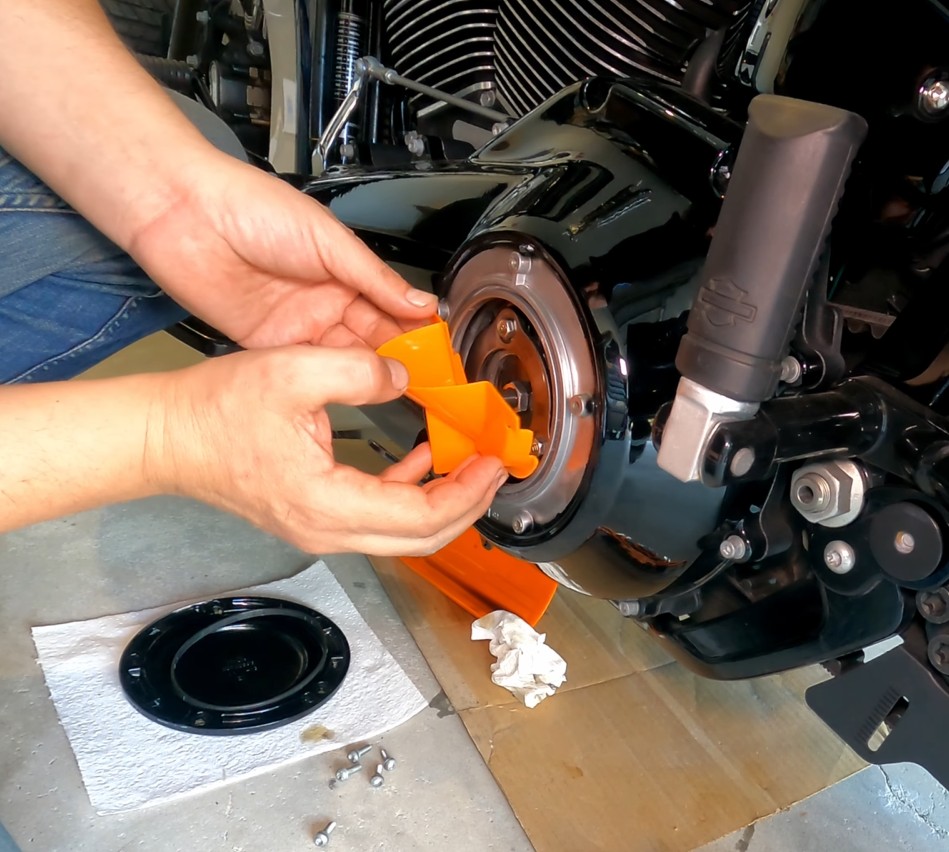
Next up was the derby cover. I tried to be clever with funnels, cups, and paper towels to avoid a mess… and still managed to spill oil on the floor. It happens. Anyone who says they’ve never spilled oil is lying.
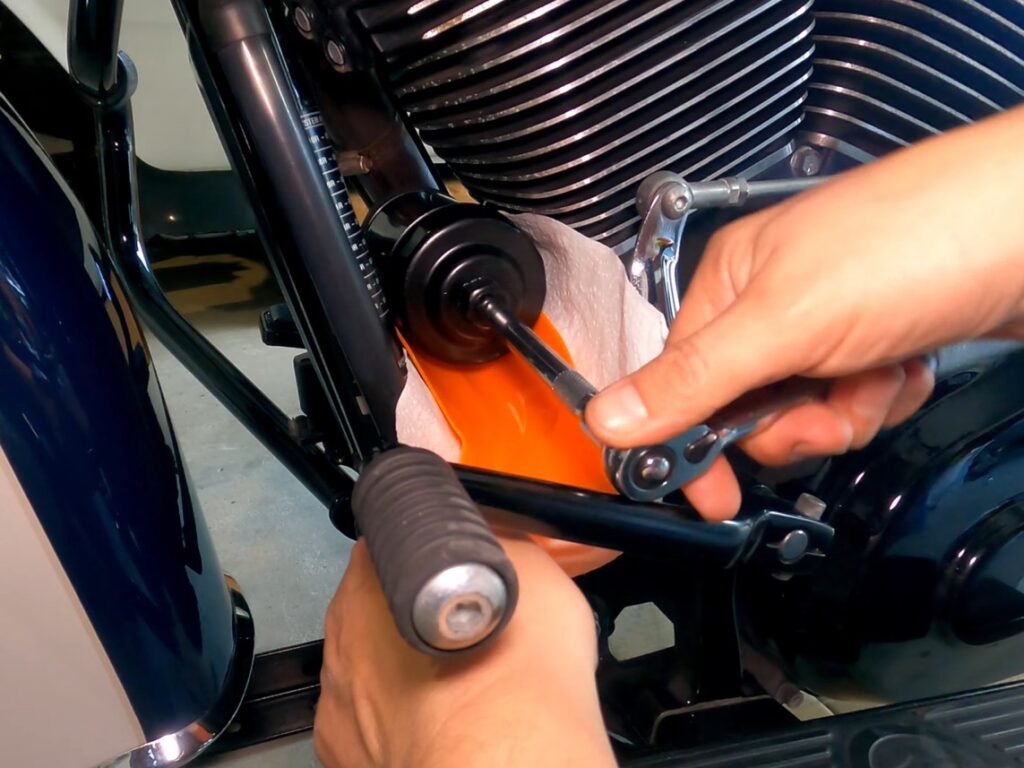
Once the cover was off, I installed the new derby cover seal and refilled the primary using Harley-Davidson Formula+.
Oil Filter and Engine Refill
The oil filter swap was straightforward. A bit of fresh oil on the rubber seal, hand-tightened, and done.
The engine takes 3.8 L of oil. The Harley oil kit comes in a 4 L bottle, so I poured out 200 ml and added the rest to the bike. My GoPro battery died during this part, but everything went smoothly.
So… Should You Service Your Own Harley?
After doing the full three-hole service myself, here’s my honest take:
Yes — if you enjoy DIY and want to save money.
I saved enough to buy a new camera and microphone for future videos. There’s satisfaction in doing it yourself, and you learn a lot about your bike.
But also no — if you’re new to Harley maintenance.
There were things I didn’t get to:
- Spark plugs (tank removal required)
- Brake fluid
- Full nut-and-bolt check
- Some tools I simply didn’t have
Even when you follow the manual, there are small details and bits of experience that only a trained Harley mechanic will know. A professional can spot issues early, give advice, and make sure nothing gets overlooked.
My final verdict
I’m glad I did it. I’ll keep doing my own oil changes.
But I’ll still take the bike to a qualified mechanic occasionally for a full inspection — and that’ll be another video for the channel.
Follow the Journey
If you’re into Harley-Davidsons, DIY maintenance, or just want to follow along as I learn and ride, make sure to:
- Like the video
- Subscribe to the Throttle Reborn YouTube channel
- Check back here for more articles, guides, and real-world experiences
Thanks for reading — stay safe out there, and I’ll see you on the next ride.