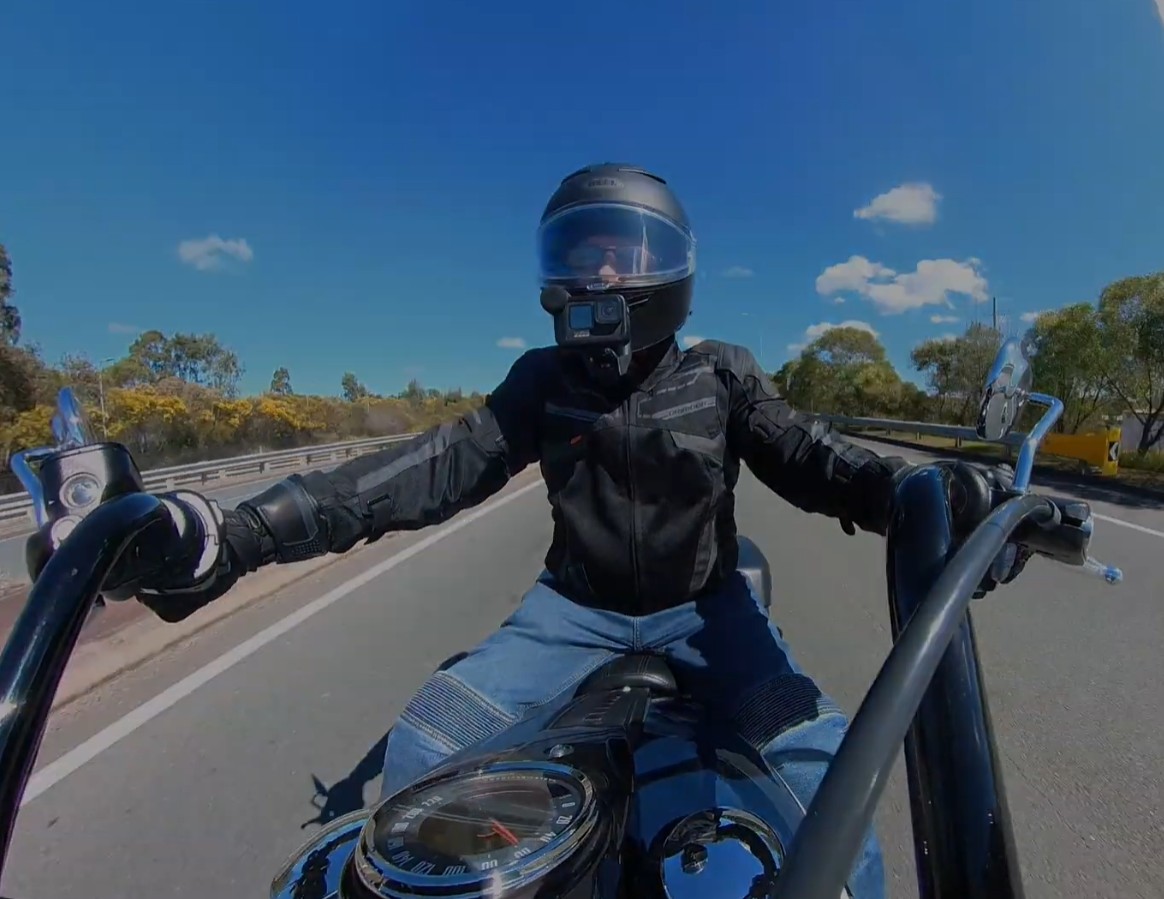
This is the short version of a long internal debate I had after getting a quote for my 2019 Harley‑Davidson Heritage Classic. I bought the bike secondhand about five months ago — my first Harley and my first bike in over 30 years — and it’s due for a 32,000 km service. The dealer quote kicked off the whole thing: about AUD 650–700. That number made me stop, think, and then start weighing options.
The dilemma — pay up or get greasy
On one hand, you drop the bike at the dealer, hand over the keys and walk away. That’s peace of mind: factory‑trained techs, the right diagnostic tools for the Milwaukee‑Eight engine, genuine HD parts, and a stamped service book that helps resale. It’s convenient and it’s tidy.
On the other hand, that price stung. For roughly AUD 350 I could buy the parts and fluids myself — oil, filters, plugs, seals — and do the work following the official Harley service manual (you can download it with your VIN). Add a set of decent tools and you’ve got a kit that pays for itself after a couple of services. So the question became: pay for convenience, or buy skills and save money?
Why the dealer makes sense
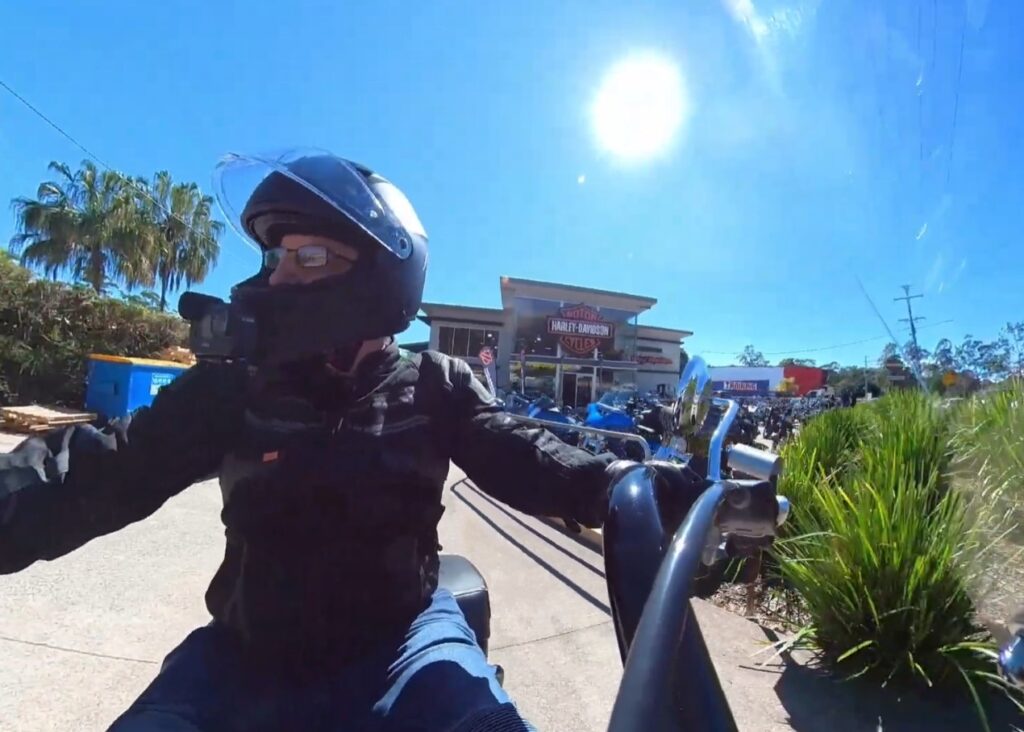
- Factory expertise. These people live with Harleys all day and have access to the proprietary diagnostic gear (Digital Technician 2) that independents might not.
- OEM parts and records. Dealer stamps in the book look good when you sell. It says the bike was looked after by the book.
- Warranty on work. If something they did goes wrong, they’re on the hook to fix it.
All solid reasons to just book it in and be done with it. For a lot of riders that’s worth the extra coin.
Why DIY appealed to me
Satisfaction. There’s a real pleasure in knowing your bike inside and out. This is my bike; I want to be the one who knows it.
Money. The parts and fluids for the 32,000 km service in Australia came to about AUD 350. That’s a big chunk less than the dealer quote.
Tools are an investment. Buy a decent socket set, torque wrench, oil catch, filter spanner and you’ve got them for life. Start‑up cost, yes — but long term it’s cheaper.
Knowledge. Following the manual teaches you why you’re doing things: belt tension, brake pad inspection, what to look for before a small problem becomes a big one. That confidence is worth a lot when you’re out on the road and something sounds off.
The middle ground — independent mechanics
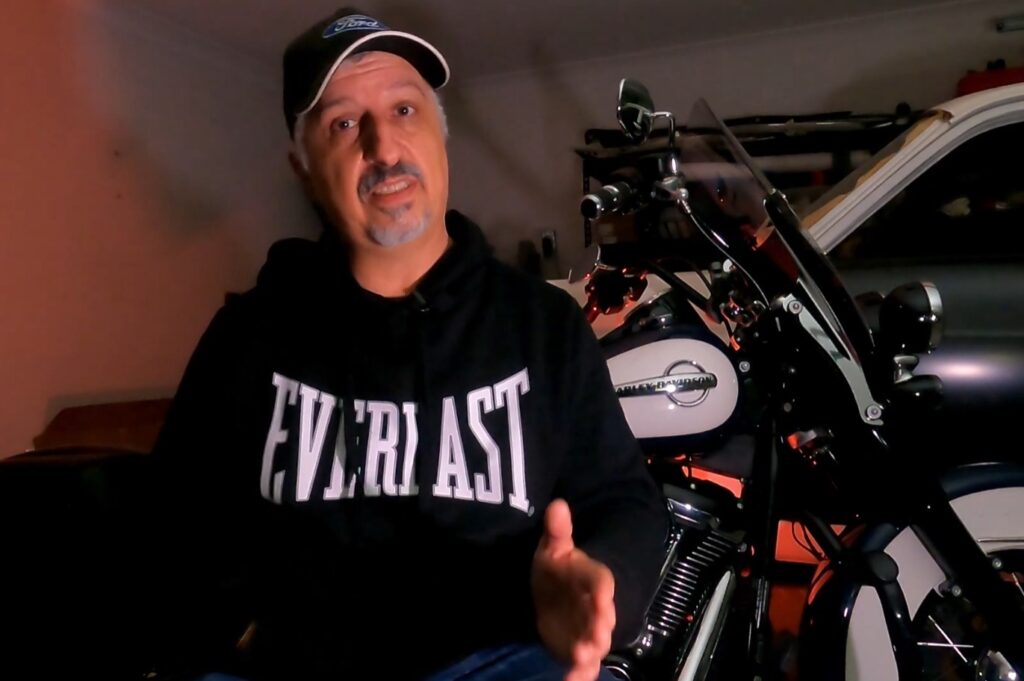
There’s a third option: a trusted independent Harley mechanic. Many are ex‑dealer techs, passionate, and more personal. They can use quality aftermarket parts and often feel less corporate. The catch is you’ve got to do your homework — read reviews, ask other riders, and find someone with a solid reputation. It can be the best of both worlds if you pick the right shop.
Where I landed
I decided to do it myself. I already had some tools, I liked the idea of learning the bike, and the cost savings were too good to ignore. I’ve ordered oil, filters, seals and the service manual and I’m keen to get stuck in. That said, I’m not knocking dealers or independents — there’ll be jobs down the road (complex diagnostics, internal engine work) where I’ll gladly pay a pro.
Final thoughts
This is a personal choice: money, time, confidence, and what you want from ownership all matter. If you want convenience and a stamped book, go dealer. If you want to save cash and learn your machine, DIY is a great route. If you want a friendly middle ground, find a trusted independent.
Thanks for coming along for the ride. Stay safe and we’ll see you on the next one.